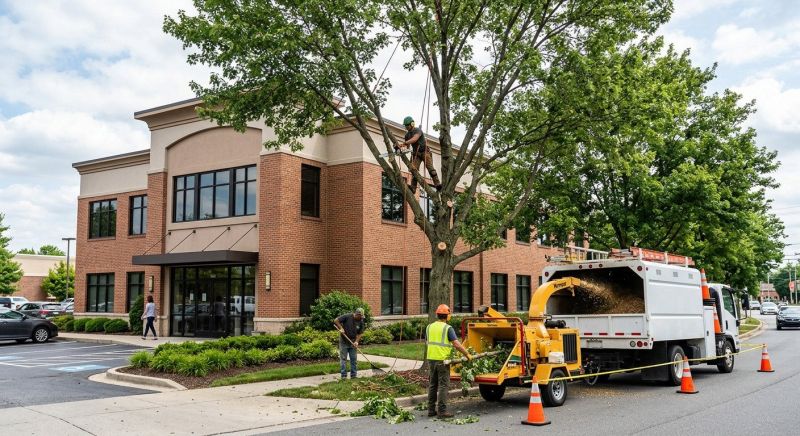
Commercial Tree Trimming in Montgomery County, PA
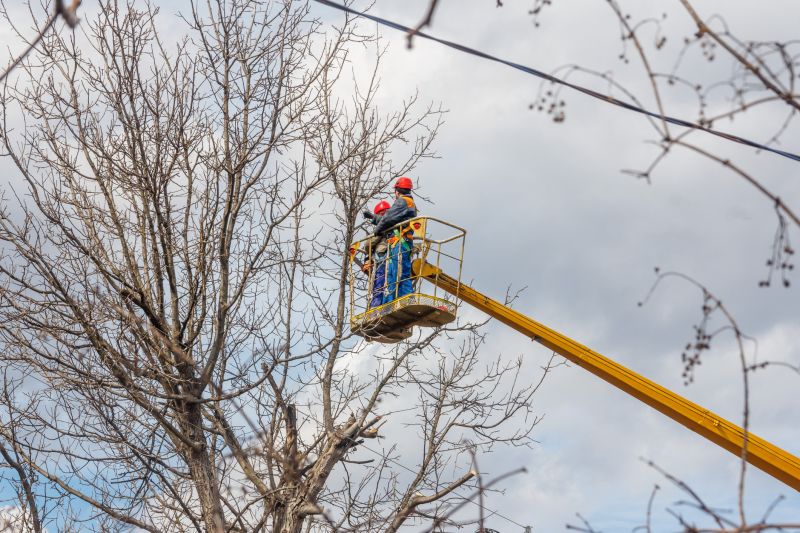
Commercial tree trimming services involve the careful pruning and shaping of trees on residential properties, commercial sites, or community spaces. This service typically covers projects such as removing dead or overgrown branches, thinning dense foliage, shaping trees for aesthetic purposes, and ensuring proper clearance around buildings, power lines, or walkways. Property owners often request tree trimming to improve safety, promote healthy growth, and enhance the visual appeal of their landscapes. Understanding the scope of the work, including which trees need attention and the desired outcome, helps ensure the project meets the specific needs of the property.
Before requesting commercial tree trimming, property owners should consider the types of trees on the site, their size, and the overall landscape goals. It's useful to evaluate whether the work involves regular maintenance or a one-time project, and to identify any areas where overgrown branches could pose hazards or obstruct views. Clear communication about these details can help ensure the trimming aligns with safety standards, aesthetic preferences, and local regulations. Proper planning can also prevent potential damage to trees and surrounding structures during the trimming process.
Many property owners in Montgomery County, PA look into Commercial Tree Trimming for repairs, replacements, upgrades, and appearance-related improvements.
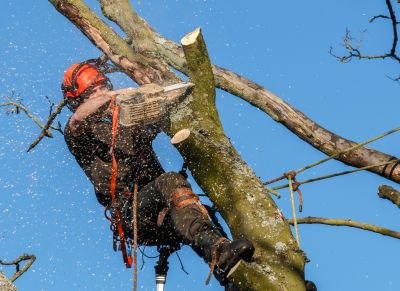
Enhancing Property Safety
Proper tree trimming reduces the risk of falling branches and property damage.
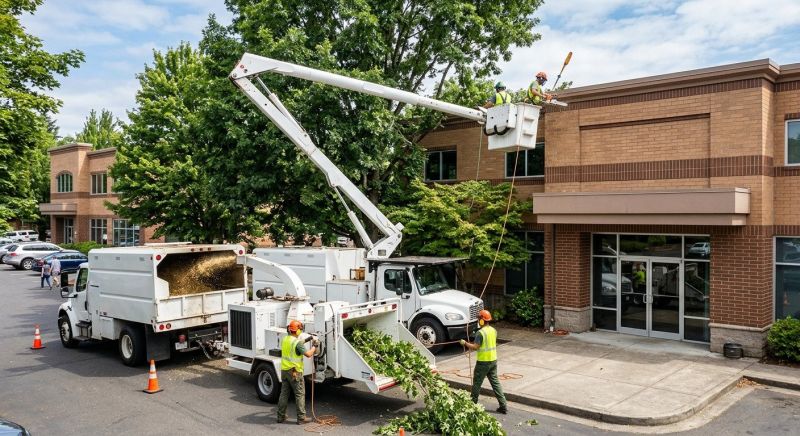
Improving Tree Health
Regular pruning helps maintain the vitality and longevity of trees in montgomery county neighborhoods.
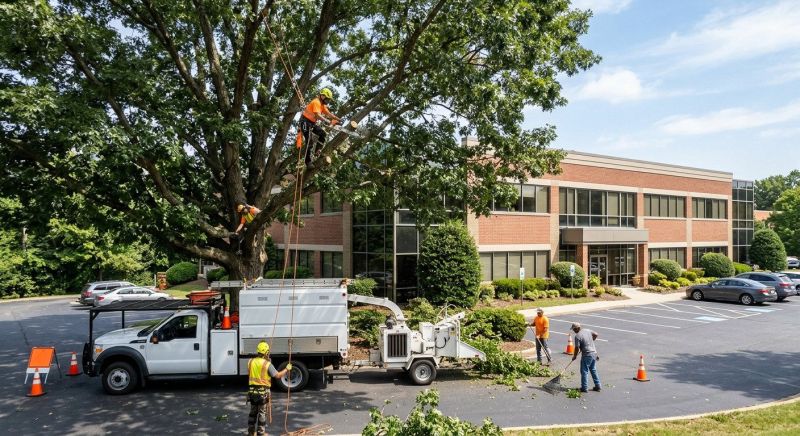
Aesthetic Landscape Care
Professional trimming creates a tidy appearance and boosts curb appeal for residential and commercial properties.
Commercial Tree Trimming in Montgomery County, PA
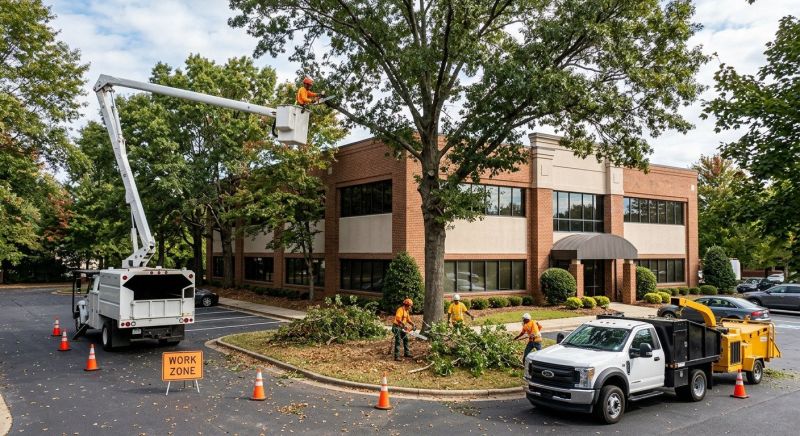
Commercial tree trimming services involve the careful pruning and shaping of trees on residential properties, commercial sites, or community spaces. This service typically covers projects such as removing dead or overgrown branches, thinning dense foliage, shaping trees for aesthetic purposes, and ensuring proper clearance around buildings, power lines, or walkways. Property owners often request tree trimming to improve safety, promote healthy growth, and enhance the visual appeal of their landscapes. Understanding the scope of the work, including which trees need attention and the desired outcome, helps ensure the project meets the specific needs of the property.
Before requesting commercial tree trimming, property owners should consider the types of trees on the site, their size, and the overall landscape goals. It's useful to evaluate whether the work involves regular maintenance or a one-time project, and to identify any areas where overgrown branches could pose hazards or obstruct views. Clear communication about these details can help ensure the trimming aligns with safety standards, aesthetic preferences, and local regulations. Proper planning can also prevent potential damage to trees and surrounding structures during the trimming process.
Many property owners in Montgomery County, PA look into Commercial Tree Trimming for repairs, replacements, upgrades, and appearance-related improvements.
Common Commercial Tree Trimming Jobs
Commercial tree trimming - helps maintain the safety and appearance of business properties.
Tree pruning - removes dead or overgrown branches to promote healthy growth.
Landscape enhancement - shapes trees to improve curb appeal and property value.
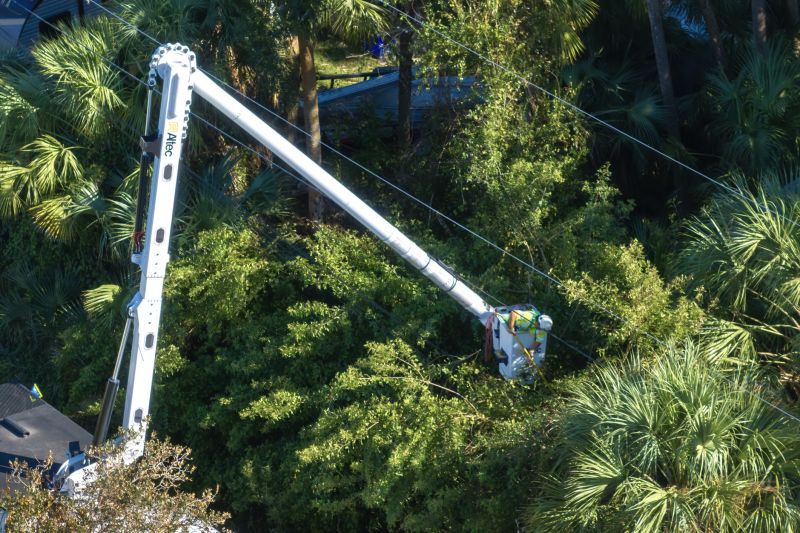
Overgrown tree management - reduces risk by trimming trees that encroach on structures or power lines.
Seasonal trimming - prepares trees for seasonal changes and prevents storm damage.
Tree thinning - improves air circulation and light penetration within dense tree canopies.
Commercial Tree Trimming Questions
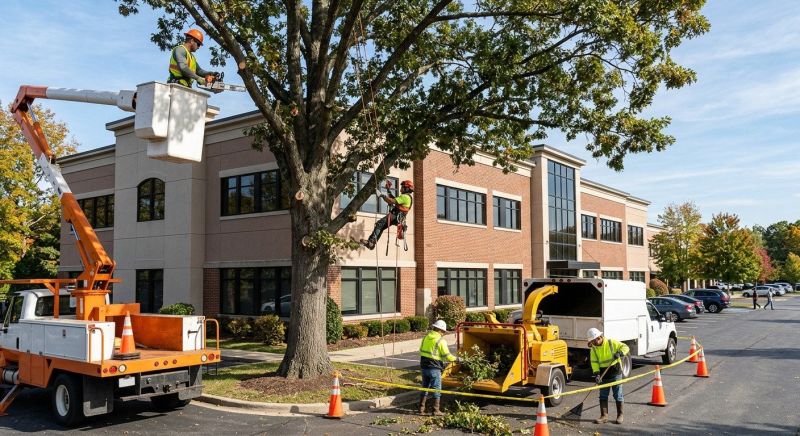
What types of trees are suitable for commercial trimming? Most common landscape trees, including oaks, maples, and pines, can be trimmed to improve health and appearance.
Why is regular trimming important for commercial properties? Regular trimming helps maintain tree safety, promotes healthy growth, and enhances curb appeal.
What are the benefits of professional commercial tree trimming? Professional trimming ensures proper technique, reduces risk of damage, and supports the long-term health of trees.
When is the best time to schedule commercial tree trimming? The ideal time is typically during late winter or early spring before new growth begins.
Request Commercial Tree Trimming in Montgomery County, PA
Use the quote form on this page to share the basics of your project and request more information for the type of work you need.